A printed invitation is a small object, which makes it easy to overlook everything it takes to make one. Multiply it by a guest list, add save-the-dates, reply cards and envelopes, and a single event carries a surprising footprint. Here's an honest look at where that footprint comes from, and what changes when your invitation travels by link.
Paper is only the beginning
Invitation stock is often heavy, coated or combined with materials that make it hard to recycle — foil, glitter, vellum overlays, ribbon and wax. A suite tends to come in layers: an outer envelope, an inner envelope, the card itself, a details insert, a reply card and its own stamped envelope. Then there are the proofs, the misprints and the “just in case” extras ordered on top.
Most of it has a short life. Once the date has passed, nearly all of those pieces head for the bin.
Ink, printing and finishing
Behind the paper sits the press. Commercial printing uses inks, coatings, plates and energy, and special finishes like foil stamping and embossing add steps of their own. Printing at home brings its own cartridges and test sheets. None of it is dramatic on its own, but all of it is work done for a card most people hold for a few seconds.
The journey to the mailbox
A printed invitation usually travels more than once before it reaches a guest: from the paper mill to the printer, from the printer to you, and then through the postal network to every address on your list. Reply cards make the trip back. Guests who live abroad add international mail to the mix.
An invitation sent by link makes one trip, and it doesn't need a truck, a plane or a mail carrier to make it.
What going digital changes
Sending digitally doesn't make an event weightless — there are still the servers that carry an email and the phone it opens on. But it removes the physical chain entirely: no stock, no printing, no envelopes, no stamps, no return cards and nothing to throw away afterwards.
It also cuts the waste that comes from change. When a date moves on a printed suite, the whole thing is reprinted. With Invited, you edit the card and send your guests an update. The same invitation keeps working.
Keeping the beauty without the waste
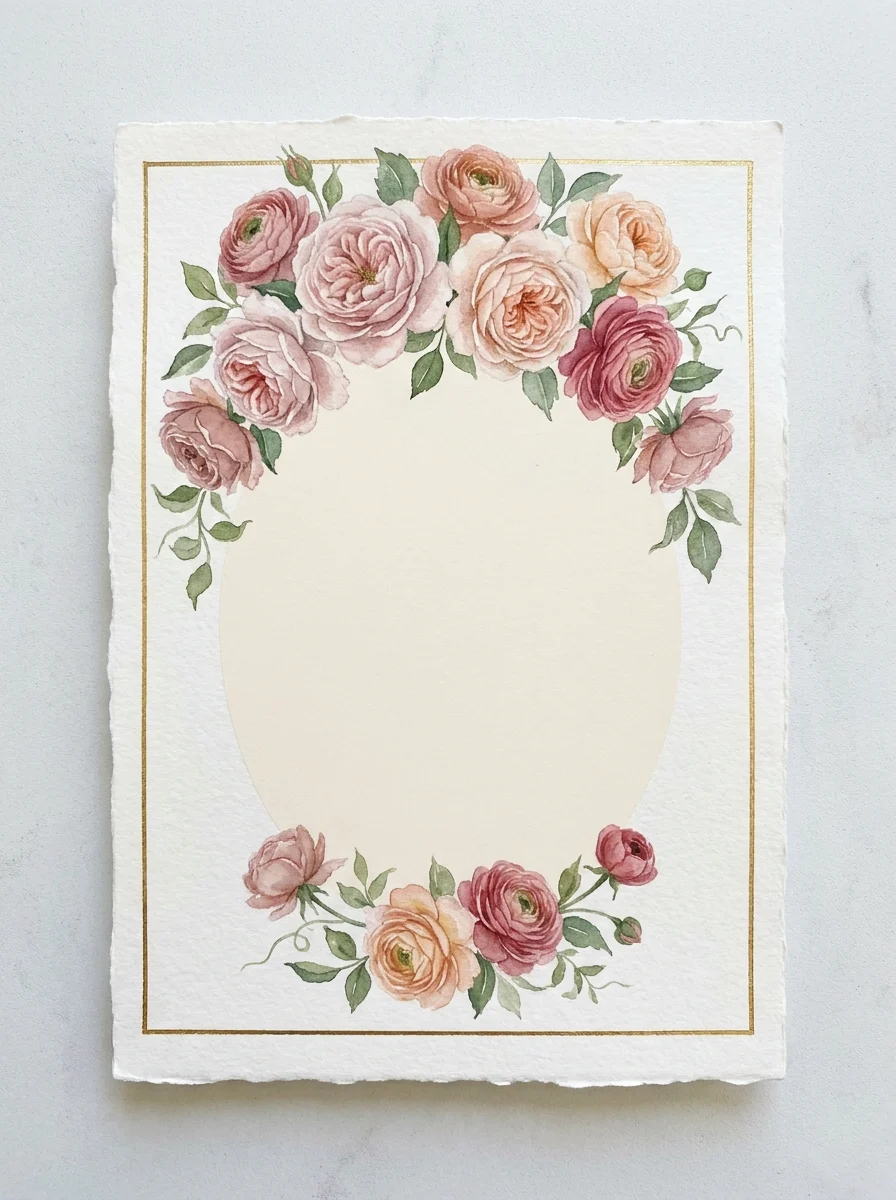
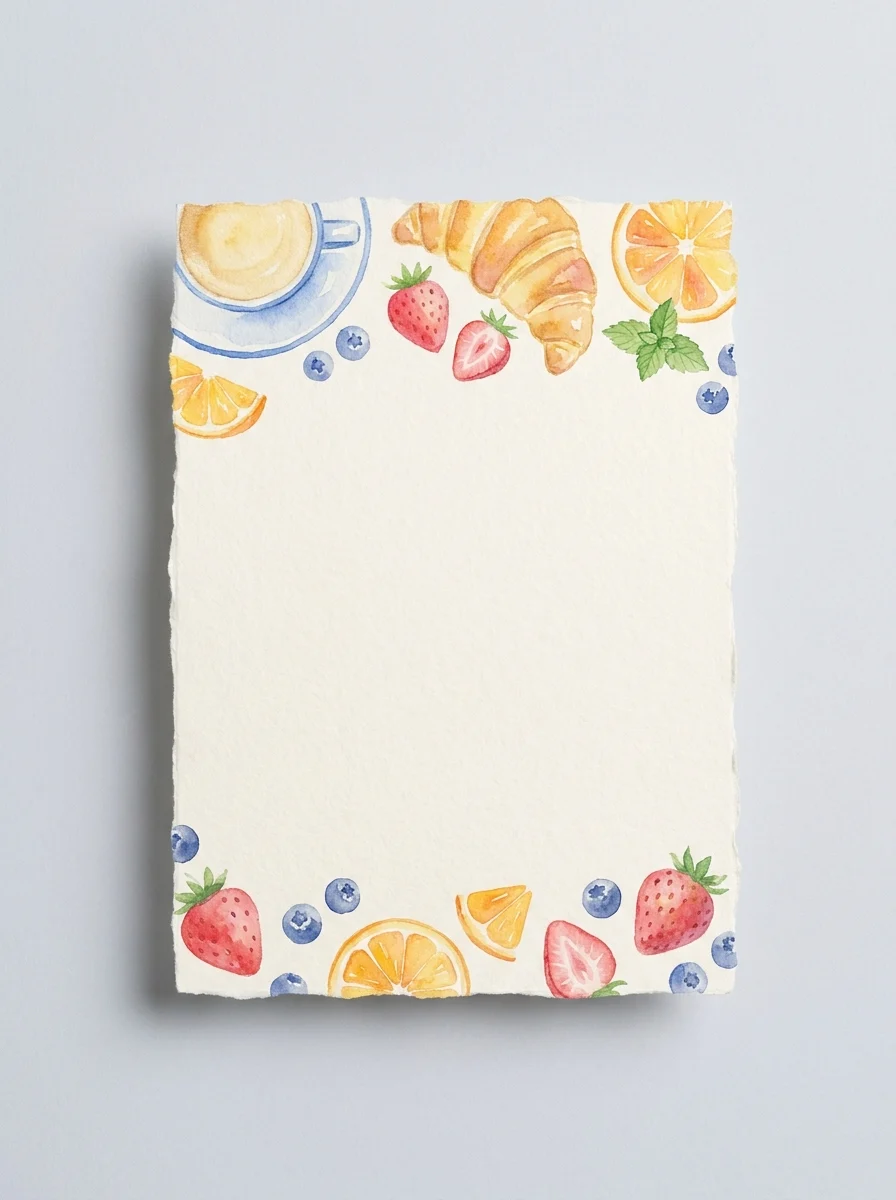
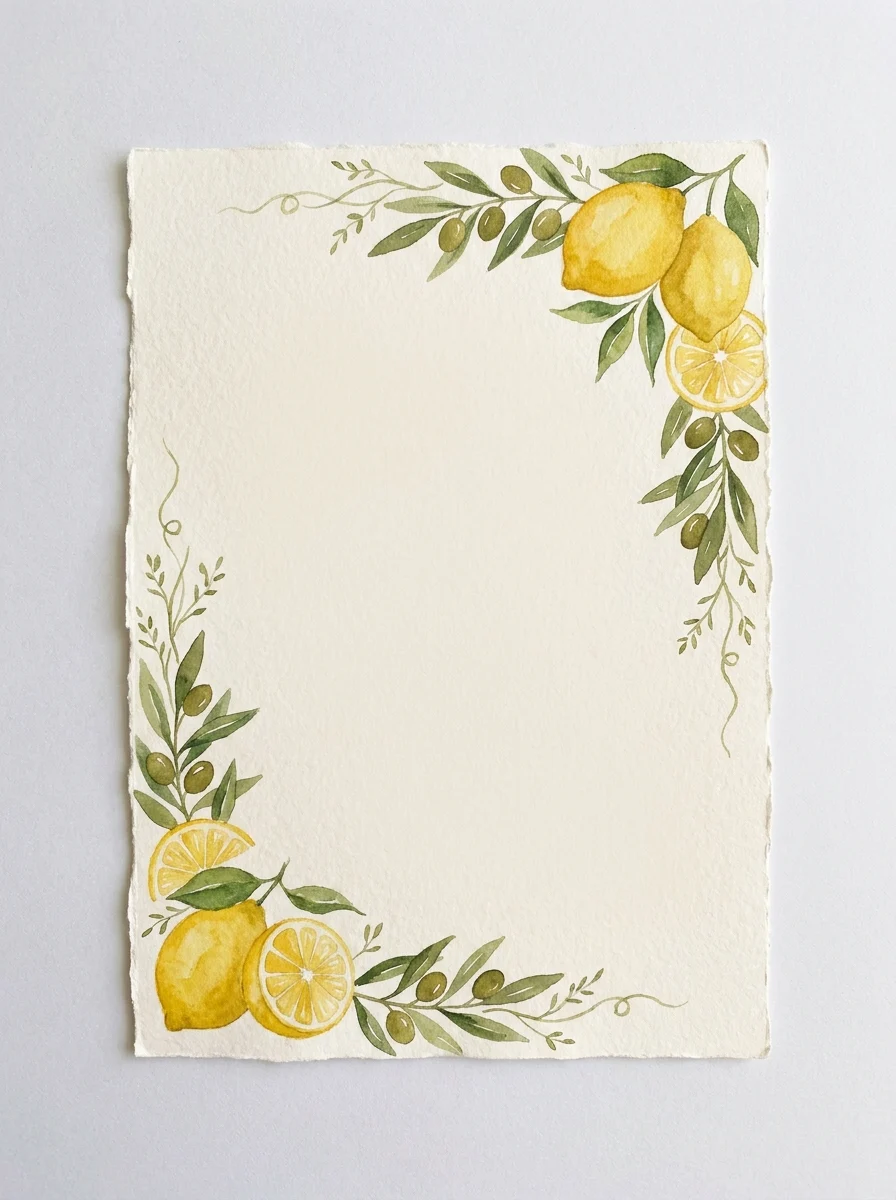
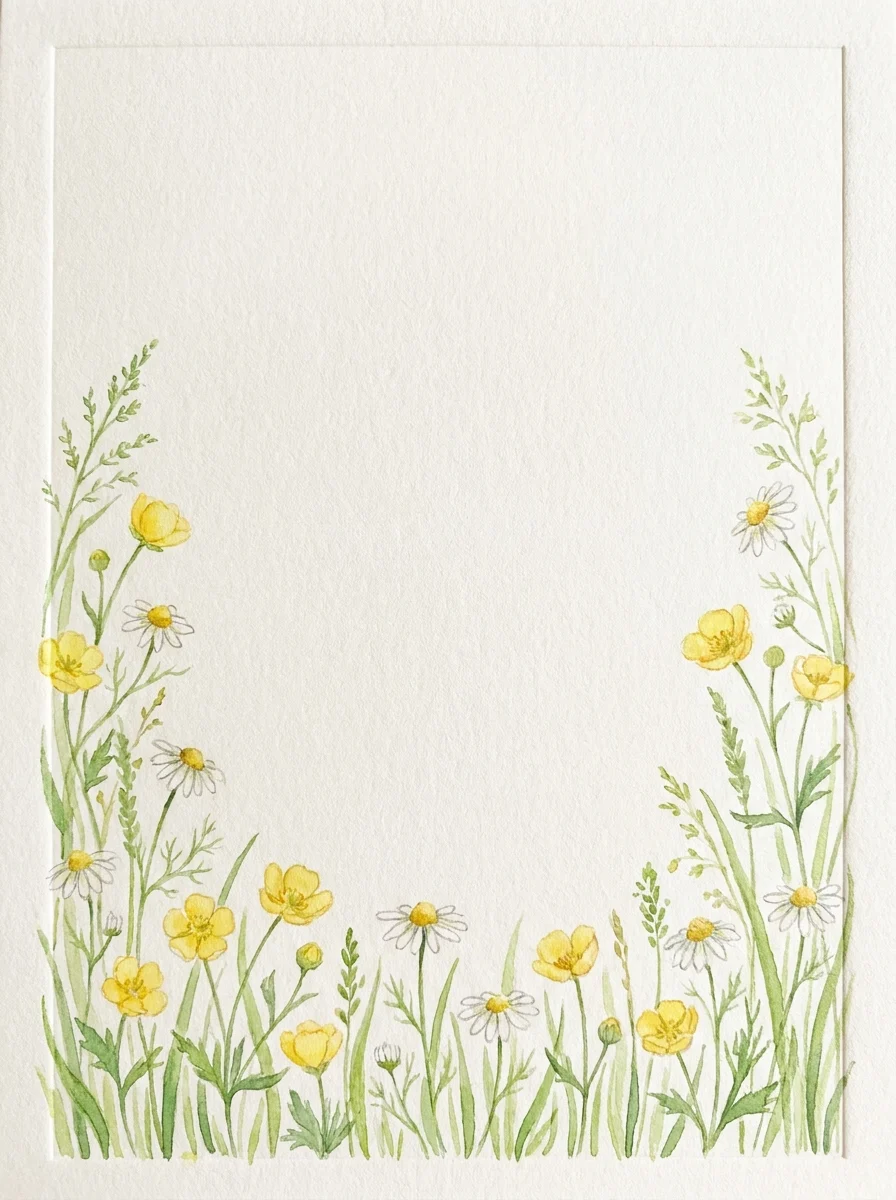
Going green shouldn't mean settling for a plain email. Invited's designs are painted in watercolour on textured, deckle-edged paper and photographed, so guests see real brushwork and real paper grain. You can give the card a felt, foil-shimmer or vellum finish, line the envelope, add a stamp and press a wax seal — all of it drawn on screen, none of it manufactured.
The most sustainable invitation is one that never needs to be printed, shipped or thrown away. If it can still feel special, there's very little reason to reach for the paper.

Ready to send a beautiful invitation?
Start for free at invitedby.us.